


Resilience
What is Resilience?
Resiliency is the ability to heal and recover from or deal effectively with distressing or traumatic events.
One concept that impacts your ability to be resilient is Maslow’s Hierarchy of Needs.
- Psychologist Abraham Maslow researched physiological, mental, emotional, and social human needs and ranked them in order of importance for survival and well-being.
- Maslow believed that people must satisfy their most basic physical needs before they can fully satisfy higher-level needs.
- Once the basic needs are satisfied, and individual can focus on developing the next level until they reach the top, Self-Actualization (being the best version of yourself).
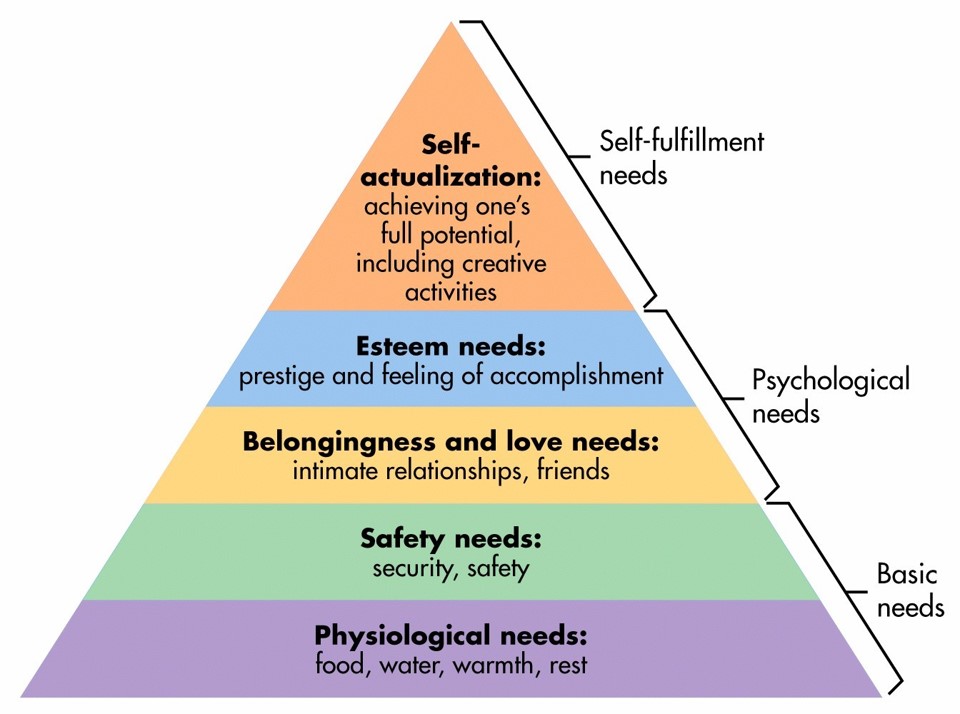
Additionally, having a strong sense of physical, mental, emotional, and social health and well-being contributes to an individuals ability to be resilient. For more information, refer to the Social-Emotional, Nutrition, and Physical activity tabs.
Source- What Trauma Taught Me About Resilience, Charles Hunt, TEDxCharlotte
Words matter…
12 encouraging phrases to build resilience in kids
- I love the way you always try so hard.
- Keep going, you’re nearly there.
- I’m so proud of how you always give things your best try.
- I know this is hard but I also know you will get there in the end.
- What other ways could you approach this?
- Is there a way I can help you without doing the task for you?
- I believe in you. You’ve got this.
- Just take a few deep breaths and try again/another way.
- Believing in yourself takes lots of practice.
- Sometimes we have to fail and then try again, and maybe even fail and try again in order to succeed.
- You’ve done it once, I know you can do it again.
- You are very brave.
Source- 2 Educate 2 Empower Publishing
Community approach
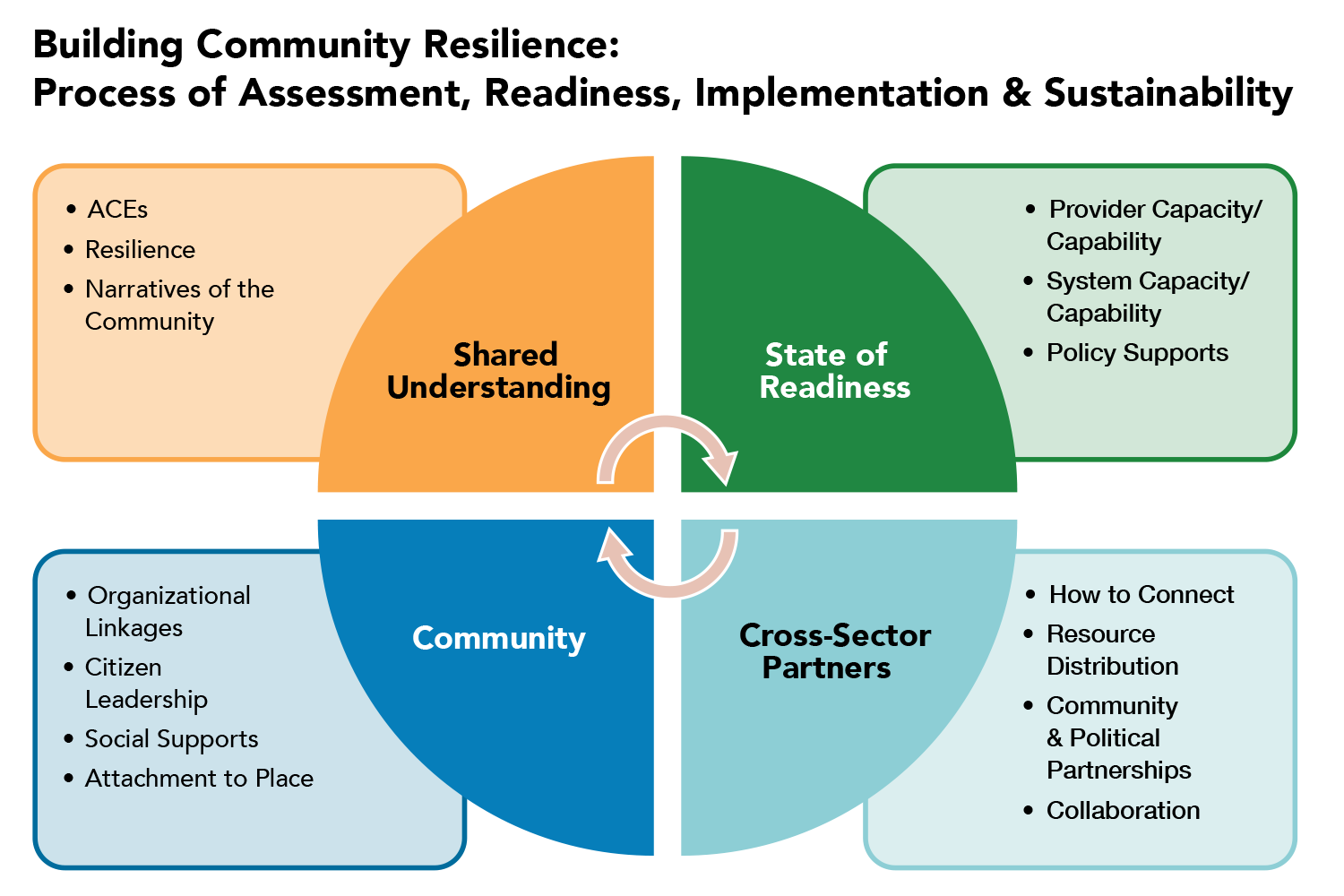
Building Community Response (BCR) approach– systematic approach community partners collaborate and use tools and resources to address long-standing inequities, and shape policy, practice and programs to support and build resilience.
Source- Center for Community Resilience