


Stimulants
Terms to know
- Stimulants– a class of drugs that increase the activity of the central nervous system. Examples of stimulants include:
- Stimulant Use Disorder– a substance use disorder characterized by a problematic pattern of stimulant use leading to clinically significant impairment or distress.
Current statistics
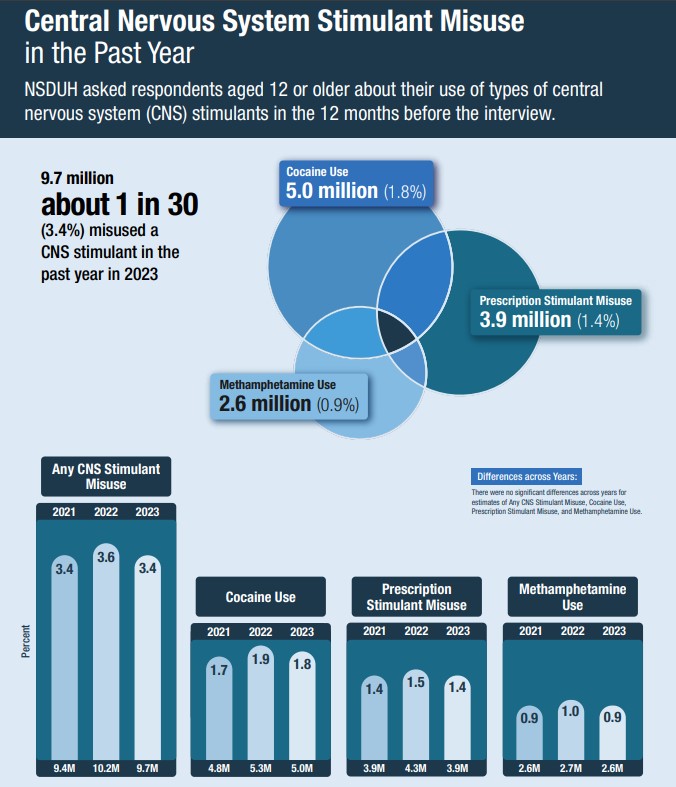
Source- Source- 2023 Companion Infographic Report: Results from the 2021, 2022, and 2023 National Surveys on Drug Use and Health (pg. 7)
Amphetamines
Amphetamines are prescription stimulants generally used to treat attention-deficit hyperactivity disorder (ADHD), narcolepsy, depression, and obesity.
They are illegal when they are used without a prescription to get high or improve performance. In this case, they are known as street, or recreational drugs.
Street and drug names
- Street names- Bennies, Black Beauties, Speed, Uppers
- Drug names- Adderall® (amphetamine and dextroamphetamine), Dexedrine® (dextroamphetamine), Vyvanse® (lisdexamfetamine)
How do amphetamines make people feel?
The effects of amphetamines may include:
- Increased alertness, attention, and energy.
- Enhanced mental performance (such as increased learning and memory).
- With repeated misuse, feelings of hostility or paranoia.
Health risks of taking amphetamines:
- Heart failure or seizures are possible.
- Long-term misuse can increase the chance of developing psychosis.
- High doses can result in dangerously high body temperature and irregular heartbeat.
- Withdrawal symptoms can include fatigue, depression, and disturbed sleep patterns.
Source- NIDA and Medline Plus
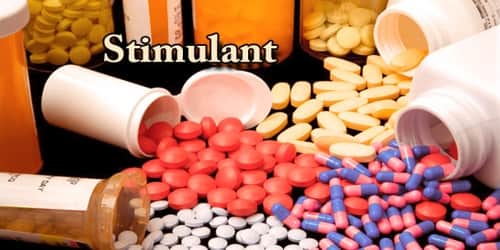
To learn about Methylphenidate prescribed stimulants (Concerta and Ritalin), click here.
Cocaine
Cocaine is an addictive stimulant made from the leaves of the coca plant (Erythroxylon coca).
Street names
- Coca, Coke, Crack, Snow, Soda Cot
How does cocaine make people feel?
Effects of cocaine in small amounts may include:
- Euphoria (intense happiness or feelings of well-being)
- Increased energy
- Feeling talkative
- Feeling mentally alert
- Hypersensitivity to sight, sound, and touch
Cocaine used in higher doses can lead to:
- Increased irritability
- Restlessness
- Panic attacks
- Paranoia
- Psychosis
Health risks of using cocaine:
- Disturbances in heart rhythm and heart attacks
- Headaches
- Seizures
- Stroke
- Coma
- Bleeding in the brain
- Abdominal pain and nausea
- Withdrawal symptoms include depression, tiredness, increased appetite, insomnia, slowed thinking and movement, and restlessness.
Sources- NIDA, Medline Plus, and CDC
MDMA (Ecstasy)
MDMA is a synthetic (lab-made) drug and is considered to be a psychedelic drug because it can mildly alter visual and time perception.
Street names
- Molly, Adam, Beans, Clarity, Eve, Hug Drug, X, XTC
How does MDMA make people feel?
The effects of MDMA may include:
- Increased energy and alertness.
- Increased sense of well-being, warmth, and openness toward others.
- Increased sensitivity to sights, sounds, touch and smells.
Health risks of using MDMA:
- Increased heart rate and blood pressure
- Elevated body temperature
- Involuntary jaw clenching
- Nausea and vomiting
- Restless legs
- Memory, learning, or attention problems
- Poor sleep
- Lack of appetite
- Confusion
- Depression
- Anxiety
- Paranoia
- Heart valve damage
Source- NIDA
Methamphetamine
Methamphetamine is a synthetic (lab-made) stimulant with high addiction potential.
Street names
- Meth, Batu, Bikers Coffee, Chicken Feed, Crank, Crystal, Glass, Ice, Shabu, Shards, Tina, Yaba
How does methamphetamine make people feel?
The effects of methamphetamine may include:
- Euphoria (intense happiness or feelings of well-being)
- Increased alertness and energy
- Decreased appetite
- Confidence
- Increased sex drive
- Paranoia
- Anxiety
Health risks of using methamphetamine:
- Rapid heart rate or irregular heartbeat
- Faster breathing
- Increased blood pressure and body temperature
- Loss of appetite, disturbed sleep patterns, or nausea
- Erratic, aggressive, irritable, or violent behavior
- Overdose and death
- Withdrawal symptoms include depression, anxiety, sleep problems, pain, toothaches, body aches, and trouble thinking.
Long-term, heavy use may lead to:
- Permanent damage to the heart and brain
- High blood pressure leading to heart attacks, strokes, and death
- Liver, kidney, and lung damage
- Anxiety, confusion, and insomnia
- Paranoia, hallucinations, mood disturbances, delusions, or violent behavior (psychotic symptoms can sometimes last for months or years after meth use)
- Intense itching, causing skin sores from scratching
- Premature osteoporosis
- Severe dental problems- Tooth decay and loss (“meth mouth”)
- Increased chance of bacterial infections, HIV, or viral hepatitis
- Decreased sexual function in men
Methamphetamine, taken alone or combined with fentanyl, contributes to the overdose crisis in the United States.
Source- NIDA, Medline Plus, SAMHSA, and CDC
What are the symptoms of Stimulant Use Disorder?
- Teeth grinding
- Aggression
- Rapid speech or excessive talking
- Engaging in high-risk behaviors
- Extreme weight loss
- Breathing difficulties
- Sexual impairment
- Disrupted sleep patterns
- Elevated blood pressure (hypertension)
- Dermatological complaints (e.g. constant itching)
- Paranoia and psychosis
- Hallucinations and confusion
- Enhanced sensory awareness
- A need to increase the dosage to get the same effects or the desired effect
- Impaired judgment and poor impulse-control
- Vacillating between high and low self-esteem
- Acute anxiety and panic disorder
- Suicidal ideation
- Stimulant withdrawal symptoms when not using the drug
- Sudden death
Source- Addiction group
Signs and symptoms of a stimulant overdose
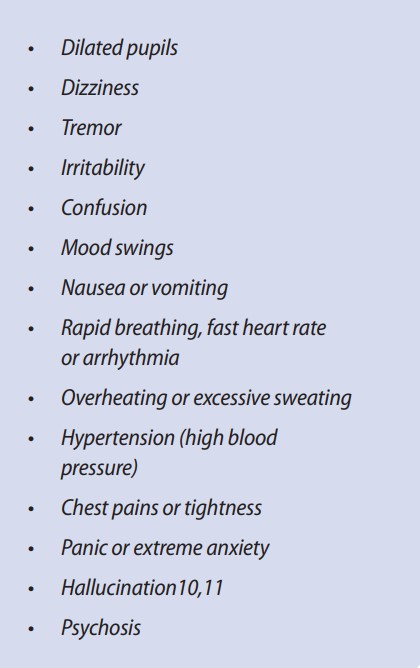
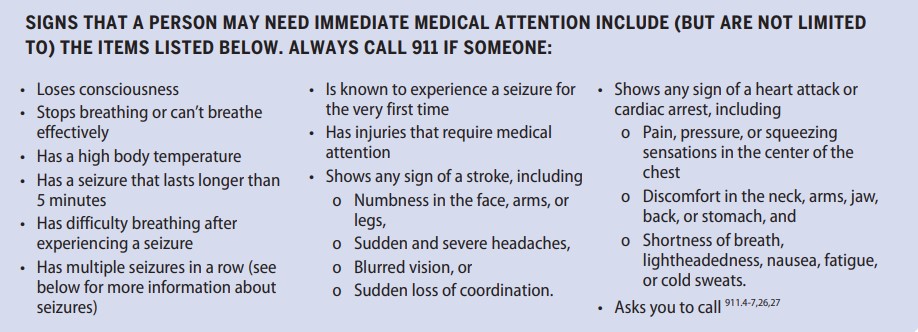
Source- CDC Stimulant Guide
Prevention and Treatment
- CDC– Stimulant overdose prevention
- Drug Enforcement Agency (DEA)– Education and prevention
- SAMSHA– Treatment of Stimulant Use Disorders for professionals
- Getting candid– conversations with youth about stimulant use
- MDMA– In Spanish, click here
- Other stimulants– In Spanish, click here