


Sexual Health- Minor Consent
What you need to know…
National-
- All states allow consent to STI services*
- No state has a blanket requirement for parental consent for contraceptives.
- 27 states explicitly allow for minor consent.
- Texas and Utah require consent if state funds used.
- To find out about your minor consent laws in your state, click here and choose your state
- Minor consent and confidentiality laws for healthcare providers, click here.

Note- For an updated list of consent and confidentiality laws across the US, click here.
Colorado-
- General Rule: Before providing medical care to a minor (anyone < 18 years old), the parent or legal guardian must consent to that care.
- Adolescents who are 18 or older are legally adults and may consent to their own health care.
- In Colorado, important exceptions to the general rule based on:
- Status of the minor
- Service being delivered
CO status exceptions-
- Minor may consent to their own medical care if:
- Married or divorced
- In Youthful Offender System (not Juvenile Justice)
- 15 or older, living apart from parents, and managing their own finances.
CO service exceptions- Reference chart, click here
- Any age for contraception, supplies, procedures
- Any age for STI and HIV testing/treatment
- Any age for pregnancy/pre and postnatal care
- Any age for alcohol or drug treatment: intoxication, use, abuse
- Any age for sexual assault/abuse care and treatment
- Age 12 for outpatient mental health therapy
- Abortion services- Minors can consent to abortion; however:
- Parental notification is required; options:
- Parent comes to the clinic with child.
- Parent completes a parental notification form to bring to clinic.
- Certified letter mailed to parents 48 hours before procedure.
- If parent cannot be notified, legal bypass is an option.
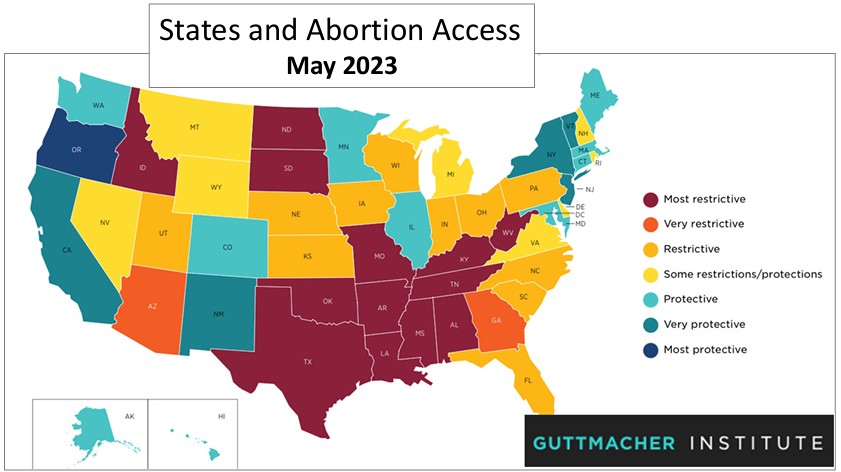
- Colorado’s SB23‐188 protects out‐of‐state patients to safely receive care in Colorado.
- Parental notification is required; options:
Note- For an updated list of consent and confidentiality laws across in CO, click here.
The facts about confidentiality
Minor has consented: now how is that information kept private?
- Under Health Insurance Portability and Accountability Act (HIPAA):
- The person who consents is person who consents to release of that information.
- There may be other reasons, such as safety or abuse, why information must be disclosed
- Common challenges related to confidentiality after minor consent:
- Billing related:
- Explanation of benefits (EOB) sent by most insurers may include diagnosis, provide name, treatment codes, tests done.
- Bills for services may go to “guarantor” ‐usually the parent/guardian.
- Electronic medical record
- Some hospitals and clinics have the ability to keep certain notes and care provided private in the medical record. Be sure to inquire if this can be done for you.
- Billing related:
Gender affirming care bans
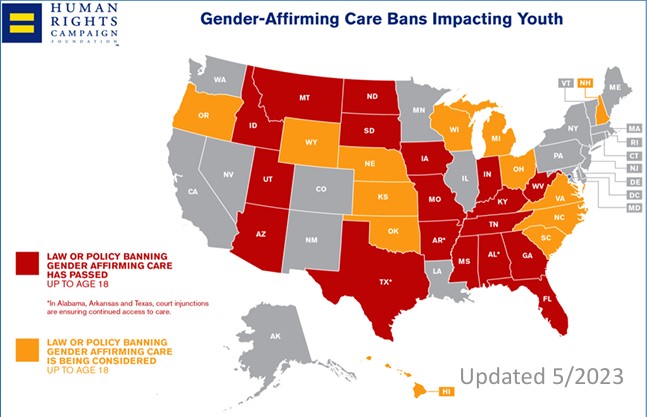
Three in ten (or 91,500 total) trans youth aged 13‐17 live in states that have passed bans on gender affirming care.
There is hope and options…
Colorado’s SB23‐188 protects out‐of‐state patients to safely receive care in Colorado
Title X (ten) clinics
Goal of Title X clinics:
- Address inequities in access to contraception and reproductive health.
- Payment- Sliding scale, or free care if at/below poverty level.
- No citizenship or documentation requirements.
- Title X funded services must be made available to all minors, regardless of their age
- No release of information without the minor’s signature*
- No release of information without the minor’s signature*
Where to find Title X clinics-
- The Bedsider– national health center locator
- Sex, etc.- national health center locator
- CO/Denver Metro area- All are Title X*
- Boulder Valley Health Center– provide gender-affirming care*
- Denver Health Medical Center– provide gender-affirming care*
- Stride Community Health Center
- bc4u Clinic– provide gender-affirming care*