


Eating disorders, medical issues, diet fads, and junk food
Eating disorders
To learn more, click here.
Medical issues
Medical issues requiring “special” diets
Diabetic diets-
- Use artificial sweeteners and count net carbs (refer above)
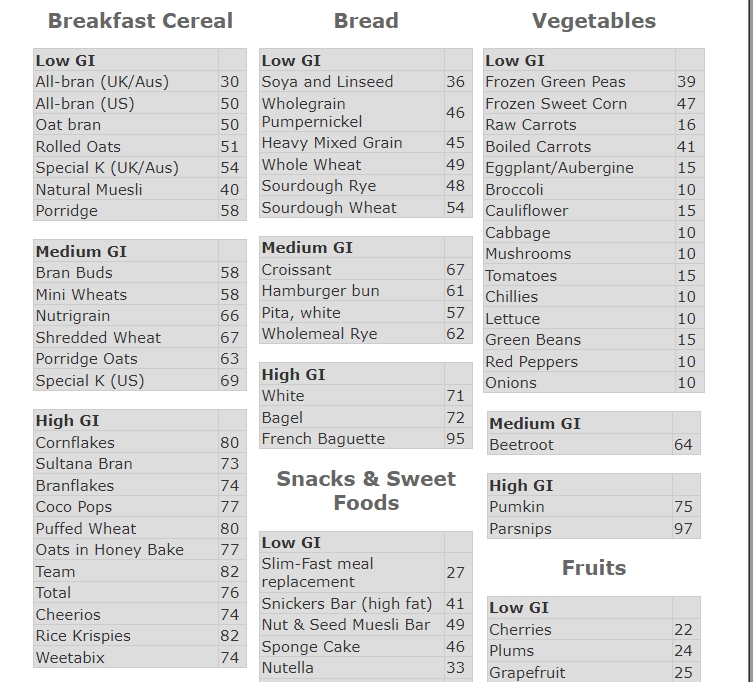
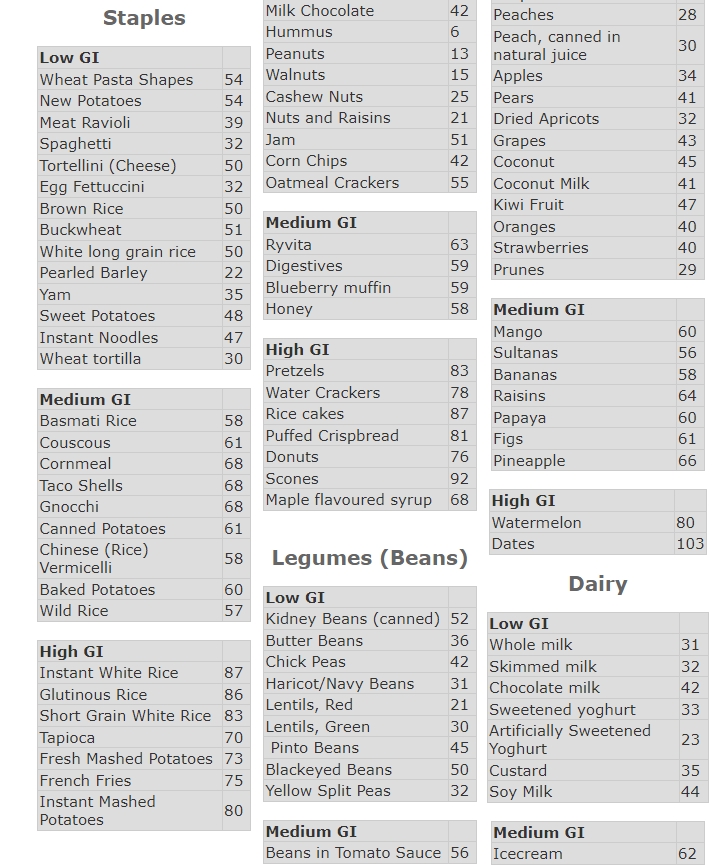
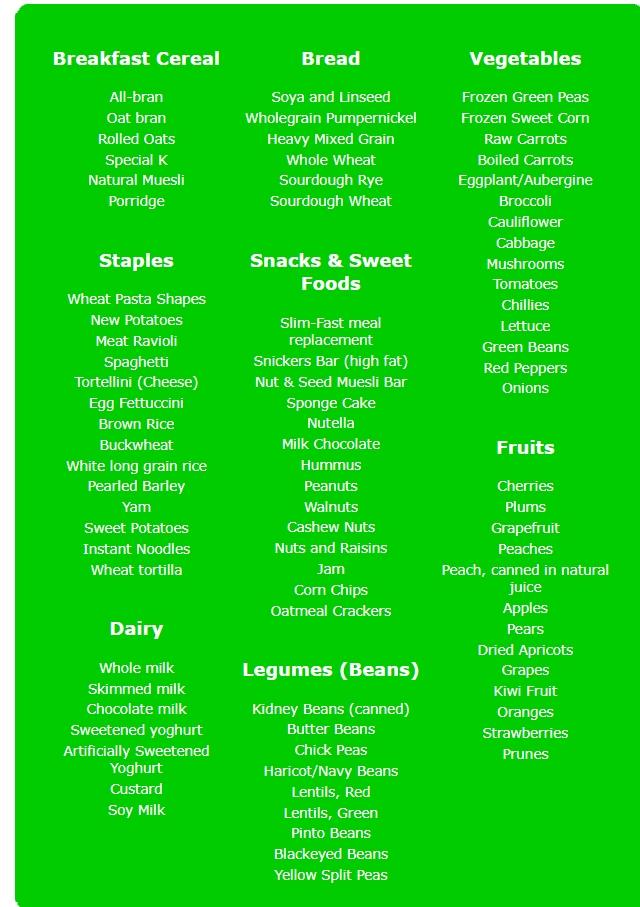
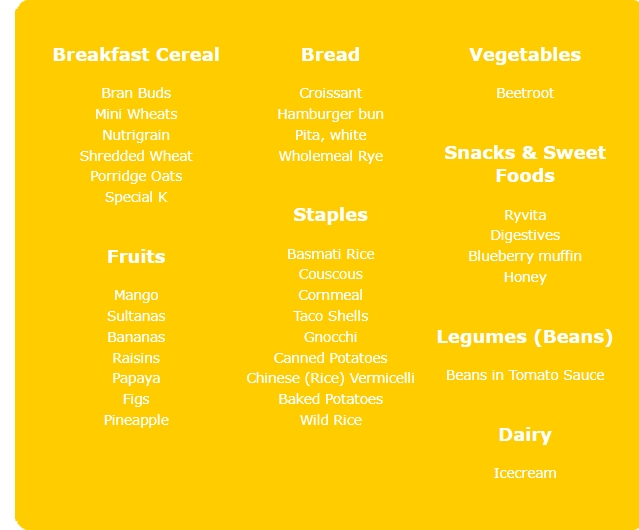
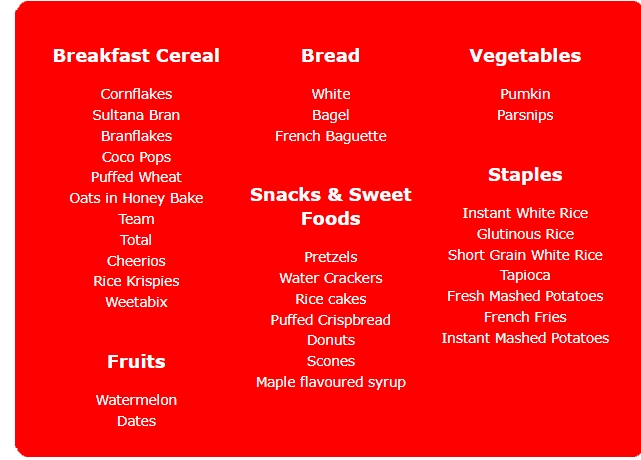
- Pay attention to the Glycemic Index (GI) of foods*
- The glycemic index (GI) is a ranking of carbohydrates on a scale from 0 to 100 according to the extent to which they raise blood sugar levels after eating.
- The glycemic index range is as follows:
Low GI = 55 or less (green zone)
Medium GI = 56 – 69 (yellow zone)
High GI = 70 or more (red zone)
Cardiovascular disease-
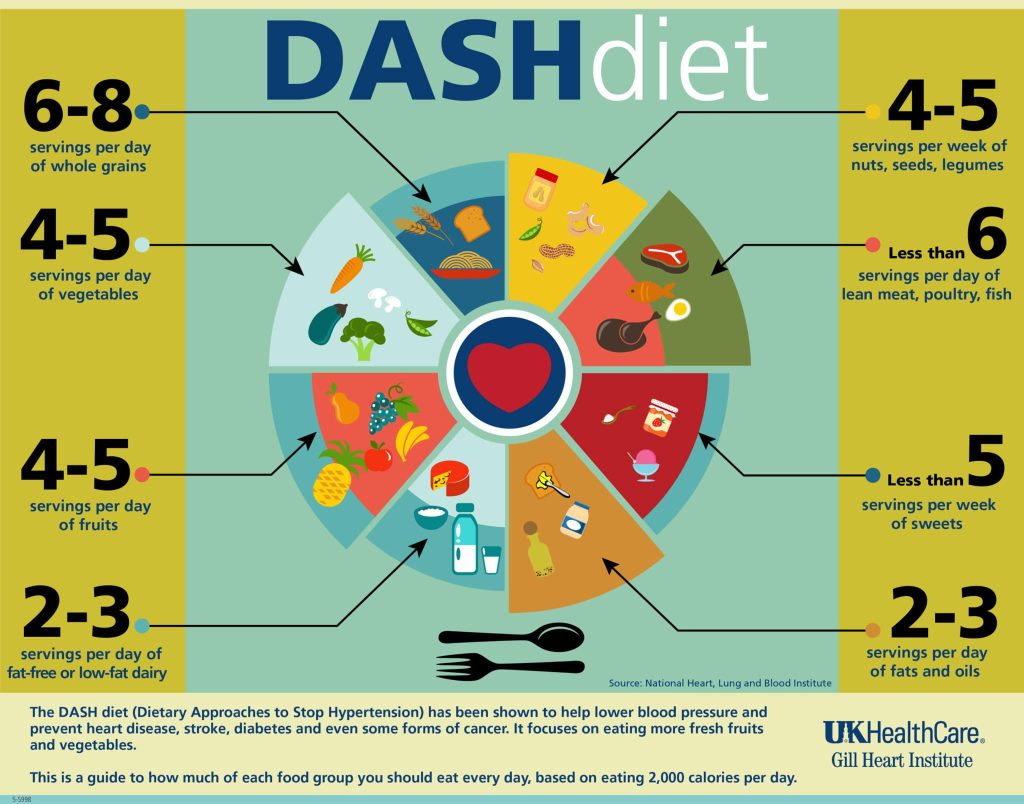
- DASH diet (Dietary Approaches to Stop Hypertension)
- Lifelong approach to healthy eating that’s designed to help treat or prevent HTN.
- Encourages the reduction of sodium in the diet and eat a variety of foods rich in nutrients that help lower blood pressure, such as potassium, calcium and magnesium.
Gastrointestinal disorders-
- Celiac Disease– GI disorder where the digestion of gluten damages the small intestine and has a genetic predisposition.*
- Symptoms-
- Diarrhea, weight loss, malnutrition
- Stools are usually foul smelling, light colored, and bulky
- Diet recommendations- Eliminate gluten
- Gluten is a product found in barley, oats, rye, and wheat.
- Rice and corn are allowed
- Symptoms-
Source- Health Science Technology, 2nd edition, Chapters 9:1–9:6
Diet “fads”
Paleo
- Consists of animal protein and natural CHO (fruits and vegetables)
- Pro- Focuses on exercise, nutrient-rich produce, and lean meat
- Con- Low in other types of CHO and dairy
Mediterranean
- Pro- Emphasis on heart healthy fats, whole grains, fruits, vegetables, and olive oil
- Con- No limit of serving sizes or drinking red wine
Atkins/Keto
- Consists of eating lean protein and low starch vegetables
- Pro- Effective for weight loss for a limited time
- Con– Focus on foods high in fat and protein, and low in CHO
- Can lead to Ketoacidosis*-When you consume too much protein and not enough CHO’s, a buildup of ketone bodies that are produced in the liver whenever there is a decrease in insulin during starvation and fat is being used for energy. These ketones accumulate in the blood. Long periods of this can result in harm to the liver and kidneys and possibly lead to death.
Zone diet
- Uses a ratio of CHO/Fat/Protein intake (40/30/30 ratio)
- Pro- Teaches about portion control and addresses sugar reduction by eating fruits and vegetables
- Con- Time consuming, not very practical or affordable for most
Eat Right for Your Blood Type
- Uses blood type unique antigen markers to determine the best foods to eat for your blood type
- Pro- Pushes unprocessed foods and exercising
- Con- Limited food choices, difficult in households with more than one blood type, time consuming
To find out the “Best diets” in 2025, click here.
Source- Health Science Technology, 2nd edition, Chapters 9:1–9:6
“Junk Food”
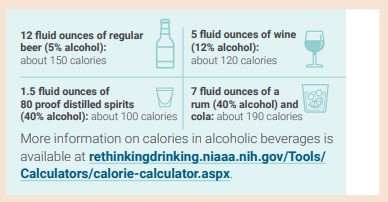
Soda, energy drinks, alcohol, and fast food
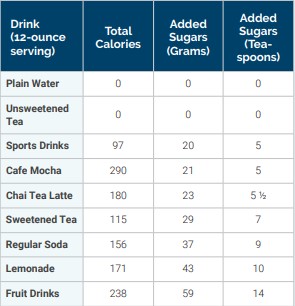
The truth about soda and energy drinks-
- They are high in sugar content and loaded with caffeine
- They have empty calories
- Diet sodas and drinks have a lot of artificial sweeteners in them
- Diet sodas have been linked to weight gain, not weight loss
- They do have harmful effects on the body with chronic use
- Some deaths have been associated with energy drinks related to high blood pressure, convulsions, and heart attacks
The truth about fast food-
- 25% of Americans eat fast food 2 or more times a week
- Fast food options generally have a high amount of:
- Glycemic index
- Saturated and trans fat
- Sugar and sodium
- Empty calories and preservative
- Causes people to feel depressed
- Fast food restaurants are now offering healthier choices as well as nutrition facts so it is possible to eat healthy when you are on the go.*
- Click here and get nutrition facts on your favorite fast food restaurants